Kaptagat Forest Caves: Nature’s Sanctuary and the Growth of Wildlife in Kenya
Kaptagat Forest Caves: Nature’s Sanctuary and the Growth of Wildlife in Kenya
Deep within the Cherangany Elgeyo Hills ecosystem—one of Kenya’s most treasured natural landscapes—lies the Kaptagat Forest, a lush highland forest whose hidden caves and dense woodlands play a quiet but crucial role in sustaining the region’s wildlife. While the dramatic caves of Mount Elgon attract attention farther north, the forested slopes of Kaptagat also boast rock shelters, fissures, and cool grottoes that enrich this biodiverse landscape. On a safari with Lionking Safaris, visitors can explore not just the caves themselves but witness how this terrain supports a thriving wildlife population.
A Forest Alive with Life
The Kaptagat Forest sits within a vital water tower for Kenya, feeding rivers that flow into the Rift Valley and beyond. Its montane woodlands—cedar, podocarpus, and other native species—create habitats that nurture mammals, birds, and smaller creatures. Wildlife such as Sykes’ monkeys, blue monkeys, bushbucks, duikers, rock hyraxes, and porcupines thrive here. Over 200 bird species, including African emerald cuckoos, African grey parrots, and rufous-chested rollers, are drawn to the dense canopy and sheltered microhabitats.
Caves as Ecological Keystones
Caves and rocky shelters in forested landscapes serve multiple ecological roles. Cooler, moist environments near cave entrances provide resting spaces for nocturnal mammals, while bats roost inside, supporting insect population control. These microhabitats also create ideal nesting and feeding grounds for birds, making caves essential links in the forest’s food web.
Seasonal Wildlife Activity
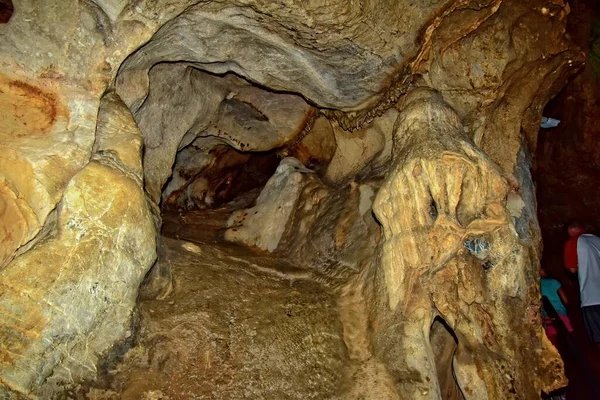
The Kaptagat Forest caves are especially vibrant during rainy seasons (March–May and October–December), when rivers swell and vegetation flourishes. Primates feed on fresh leaves and fruits, antelopes move closer to water sources, and birds are particularly vocal. In the dry season (January–February and June–September), wildlife concentrates around permanent water sources and shaded cave areas. Visitors may spot rock hyraxes basking, monitor lizards navigating crevices, and elephants passing through forest corridors.
Conservation Breathes New Life
The Kaptagat landscape has faced deforestation and land degradation, threatening habitats and wildlife. In response, community-led conservation efforts have restored large areas, replanting indigenous trees, rehabilitating watersheds, and protecting forest corridors. These initiatives have increased forest cover and connectivity, enabling animals to move freely and safely. As forests regenerate, wildlife populations rebound, making Kaptagat Forest a model of sustainable growth.
Why Kaptagat Matters
The Kaptagat Forest caves are more than geological features—they are ecosystem keystones. By providing water, shelter, and microhabitats, these caves sustain a rich variety of wildlife. Conservation and restoration efforts have transformed degraded areas into thriving sanctuaries, supporting both endemic and migratory species.
For wildlife lovers and eco-adventurers, exploring Kaptagat with Lionking Safaris is a journey into the heart of Kenya’s biodiversity. Every tree planted, every trail protected, and every cave preserved contributes to the resilience of wildlife.
Conclusion: Travel with Lionking Safaris
Kaptagat Forest Caves stand today as a testament to the power of conservation and renewal. With its thriving wildlife and restored habitats, it offers an authentic safari experience in Kenya’s highlands.
👉 Book your Kaptagat Forest adventure today with Lionking Safaris and discover Kenya’s sanctuary of caves, forests, and wildlife growth.


Lionking Safaris LTD @2026