Kitulo National Park: Conservation Through Flowers
Discover Kitulo: Tanzania’s Floral Wilderness
High in the southern highlands of Tanzania lies a park unlike any other in East Africa. Often referred to as the “Garden of God,” Kitulo National Park is a remarkable conservation area celebrated not for the Big Five, but for its extraordinary botanical wealth and the vital role it plays in supporting wildlife growth. At Lionking Safari Limited, we proudly showcase Kitulo as a shining example of how plant conservation strengthens entire ecosystems.
Where Kitulo Is Located
Kitulo National Park lies on the Kitulo Plateau in the Mbeya and Njombe regions of southern Tanzania, near towns such as Mbeya town and Makambako. The park is accessible from Mbeya (about 80–120 km depending on route) and is often visited in combination with Rungwe and Poroto Mountains.
Floral Richness and Seasonal Blooms

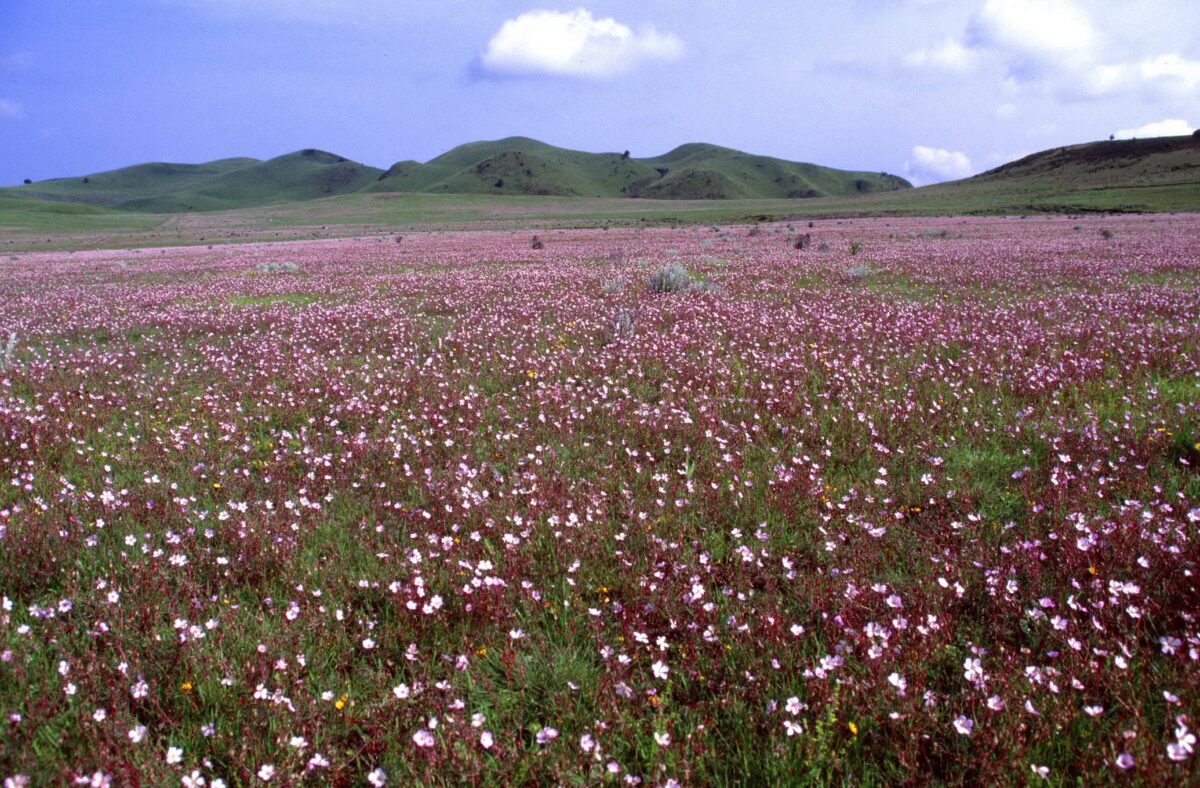
Established primarily to protect its unique montane grasslands and rare plant species, Kitulo is home to one of the largest and most important high-altitude flower concentrations in Africa. During the rainy season, the plateau transforms into a breathtaking carpet of wildflowers, including orchids, aloes, lilies, and many endemic plant species found nowhere else on earth. This floral richness forms the foundation of a thriving ecological network.
Pollinators and Wildlife Connections
The abundance of flowering plants directly supports a growing population of pollinators such as bees, butterflies, and other insects. These, in turn, sustain bird species and small mammals that depend on healthy grassland habitats. Kitulo is particularly important for rare and endangered bird species, making it a key destination for ornithologists and conservationists. By protecting plant diversity, the park naturally encourages balanced wildlife growth throughout the ecosystem.
Water Catchment and Local Communities
Beyond its biodiversity, Kitulo National Park plays a crucial environmental role. Its highland grasslands act as important water catchment areas, feeding rivers that supply surrounding communities and agricultural lands in Mbeya and the fertile Ihefu wetlands. Protecting this landscape ensures ecological stability while reducing habitat loss and environmental degradation.
Conservation Management and Nearby Conservation Areas
Conservation management within the park focuses on preventing illegal grazing, controlling wildfires, and monitoring sensitive plant and animal species. These efforts have helped preserve the delicate balance of this unique ecosystem, allowing native species to flourish in their natural habitat. Kitulo’s protected status complements nearby conservation areas such as Rungwe Mountains National Park and Poroto Ridge Forest Reserves, strengthening regional biodiversity corridors.
A Different Kind of Safari Experience
For Lionking Safari Limited, promoting Kitulo National Park reflects our commitment to responsible tourism that values every layer of wildlife from the smallest orchid to the soaring raptor. A visit to Kitulo offers a different kind of safari experience: scenic hikes across rolling plateaus, birdwatching in pristine grasslands, and the rare opportunity to witness nature’s quieter but equally powerful form of abundance.
Kitulo National Park proves that wildlife growth is not only about large mammals; it begins with protecting habitats, nurturing plant life, and sustaining ecological harmony. By choosing to explore this extraordinary highland sanctuary with Lionking Safari Limited, travelers become part of a conservation story rooted in preservation, biodiversity, and sustainable tourism.
Discover the beauty of Tanzania’s floral wilderness where life blooms, ecosystems thrive, and conservation creates lasting impact.
Book the Safari You'll Talk About for Years to come


Lionking Safaris LTD @2026