Mount Kinyeti Imatong Mountains Wildlife: Nature and Communities in South Sudan
The Impact of Wildlife on Mount Kinyeti and the Imatong Mountains
In the southeastern region of South Sudan, Mount Kinyeti rises as the country’s tallest peak at 3,187 meters. Its neighboring range, the Imatong Mountains, forms a chain of lush hills and valleys that create a dramatic backdrop for biodiversity and human life. Together, these mountains illustrate how wildlife, ecosystems, and local communities are closely intertwined.
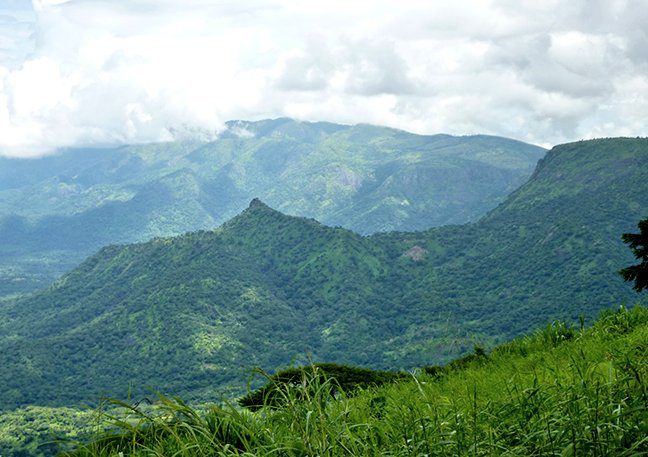
A vital habitat in South Sudan
Mount Kinyeti and the Imatong Mountains host a mosaic of ecosystems, including montane forests, grasslands, and shrublands. These habitats support numerous plant and animal species, some of which are endemic and specially adapted to different altitudes and climatic conditions.
This diversity enriches the biological fabric of the region and underpins key ecological processes, from water regulation to soil protection, making the mountains a crucial natural asset for South Sudan.
Wildlife as ecological indicators
Wildlife plays a central role in shaping and signaling the health of these ecosystems. Changes in the populations of species, whether large mammals, forest hogs, birds, or smaller creatures, can point to shifts in climate, habitat loss, or human pressure.
Such species act as indicators for conservationists and researchers, helping them assess environmental change and guide sustainable management practices.
Nutrient cycles and plant regeneration
Animals also drive nutrient cycles and plant regeneration across the mountains. Through feeding, movement, and waste, they:
Disperse seeds across different elevation zones.
Pollinate flowering plants via birds, insects, and other species.
Help maintain a balance between vegetation types and wildlife populations.
This continuous exchange supports the resilience of the ecosystem and creates a rich, layered landscape where flora and fauna depend on each other.
Wildlife and local communities
The relationship between wildlife and local human communities is equally important. Many people living in the Imatong region rely on natural resources for:
Subsistence farming.
Foraging for food, fuel, and materials.
Small-scale hunting or nature-based tourism income.
These livelihoods depend on healthy ecosystems, yet they can also be affected by pressures such as deforestation, overuse of land, and poaching. When wildlife declines, the ecological services communities rely on like clean water, fertile soils, and stable rainfall patterns can be disrupted.
Conservation and community engagement
To reduce these threats, conservation efforts must involve local people. Effective initiatives often focus on:
Supporting ecotourism as an alternative income source linked to preserving wildlife and habitats.
Engaging communities in monitoring and protecting forests, wildlife corridors, and water sources.
Providing education and awareness about biodiversity and sustainable resource use.
When communities benefit directly from conservation, they are more likely to become stewards of the land, helping safeguard the mountains’ ecological integrity.
Looking ahead
The impact of wildlife on Mount Kinyeti and the Imatong Mountains is multifaceted, shaping both the environment and the lives of those who inhabit it. Understanding these interactions is essential for building a sustainable future that respects fragile ecosystems while supporting local livelihoods.
Protecting these magnificent mountains and their wildlife is vital for preserving South Sudan’s natural heritage and advancing the well-being of its people. As we look forward, it remains crucial to champion conservation and recognize the intrinsic value of the wildlife that calls this region home. Visit Mount Kinyeti Imatong Mountains wildlife with Lionking Safaris

Lionking Safaris LTD @2026