Rumanyika-Karagwe National Park: A Promising Conservation Success
Visit Rumanyika-Karagwe National Park, a conservation success story in NW Tanzania
Tucked away in the scenic landscapes of northwestern Tanzania, Rumanyika-Karagwe National Park is steadily emerging as a powerful example of how conservation can drive wildlife growth. Though less known compared to Tanzania’s flagship parks, this hidden gem is proving that strategic protection and sustainable management can restore ecosystems and allow wildlife to flourish.
From Game Reserve to National Park
Gazetted as a national park in 2019, Rumanyika-Karagwe National Park covers approximately 247 square kilometers in the Kagera Region, near the borders of Uganda and Rwanda. Its transformation from a game reserve into a fully protected national park marked a turning point for wildlife conservation in the area. Since then, the park has benefited from increased protection, improved management, and a stronger commitment to preserving biodiversity.
Wildlife Growth and Habitat Diversity
The park’s diverse habitats—open savannah plains, dense woodlands, and wetlands—provide ideal conditions for a wide variety of species. Elephants, buffaloes, giraffes, and zebras now roam more freely, benefiting from reduced human interference. Antelope species such as waterbucks, bushbucks, and impalas thrive in grasslands and forest edges, while primates like baboons and vervet monkeys aid forest regeneration through seed distribution.
Predator Populations and Ecological Balance
Predators such as leopards and spotted hyenas continue to inhabit the park, signaling a stabilizing food chain as prey populations increase. This natural balance between predators and herbivores is essential for long-term sustainability and demonstrates the effectiveness of conservation strategies.
Birdlife and Avian Biodiversity
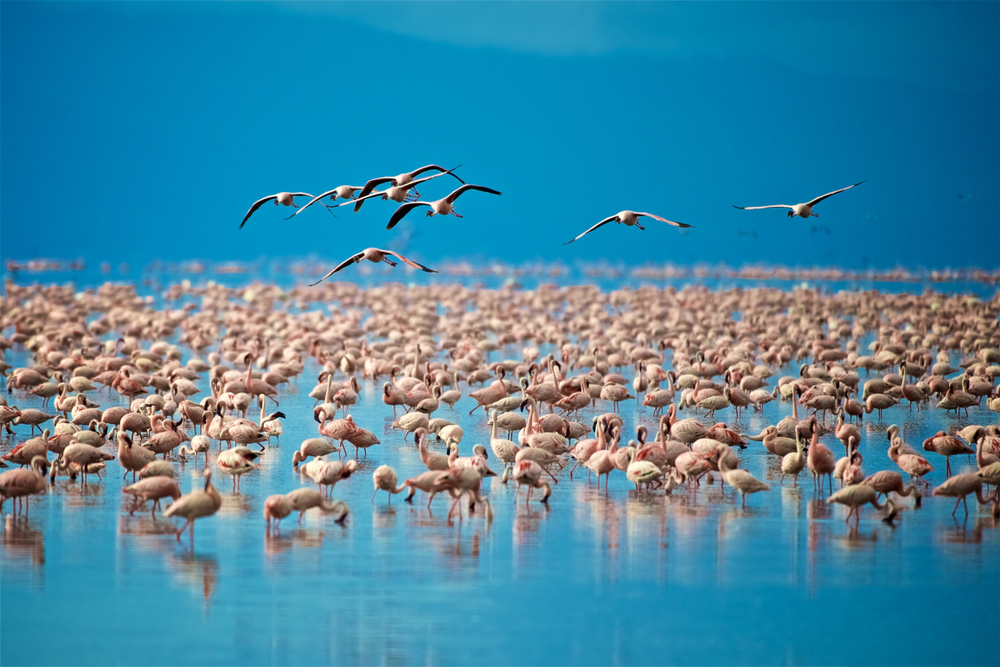
With over 200 to 350 bird species recorded, Rumanyika-Karagwe National Park has become a haven for birdwatching. Fish eagles, crowned cranes, hornbills, and migratory water birds enrich the park’s ecological diversity. Wetlands and river systems provide critical habitats for both resident and seasonal species.
Conservation Strategies and Community Engagement
The growth of wildlife in Rumanyika-Karagwe is closely tied to conservation strategies by the Tanzania National Parks Authority. Anti-poaching measures, habitat protection, and community engagement initiatives have contributed to recovery. By involving local communities and promoting eco-tourism, the park has created a sustainable model where wildlife protection and community development go hand in hand.
Learn more about community-based conservation.
Cross-Border Connectivity
Located within a broader cross-border ecosystem, the park enhances its importance as a wildlife corridor. This connectivity allows animals to move between regions, supporting genetic diversity and reducing habitat pressure. Such ecological linkages are vital for long-term resilience in East Africa.
Lionking Safaris: Your Gateway to Rumanyika-Karagwe
Despite its progress, Rumanyika-Karagwe National Park remains largely untouched by mass tourism, creating a peaceful environment where wildlife thrives naturally. At Lionking Safaris, we recognize the importance of emerging destinations like Rumanyika-Karagwe. Its success story reflects the power of conservation in restoring wildlife and preserving natural heritage.
😁 Book your journey with Lionking Safaris and experience Rumanyika-Karagwe National Park—an authentic safari destination where conservation and wildlife growth go hand in hand.
Book the Safari You'll Talk About for Years to come


Lionking Safaris LTD @2026