Samburu National Reserve Kenya: Wildlife in Northern Kenya
Explore Samburu National Reserve Kenya – Wildlife, Culture, and Conservation
Samburu National Reserve, in northern Kenya, is a remarkable safari destination known for its rugged landscapes, rare wildlife, and rich cultural heritage. Covering approximately 165 square kilometers, the reserve lies along the Ewaso Ng’iro River, which provides a vital source of water in the surrounding semi-arid environment.
Compared with Kenya’s busier southern parks, Samburu offers a more intimate safari experience. Its dramatic scenery, unusual animals, and strong connection to Samburu culture make it a rewarding destination for travelers seeking something different.
Geography and Landscape
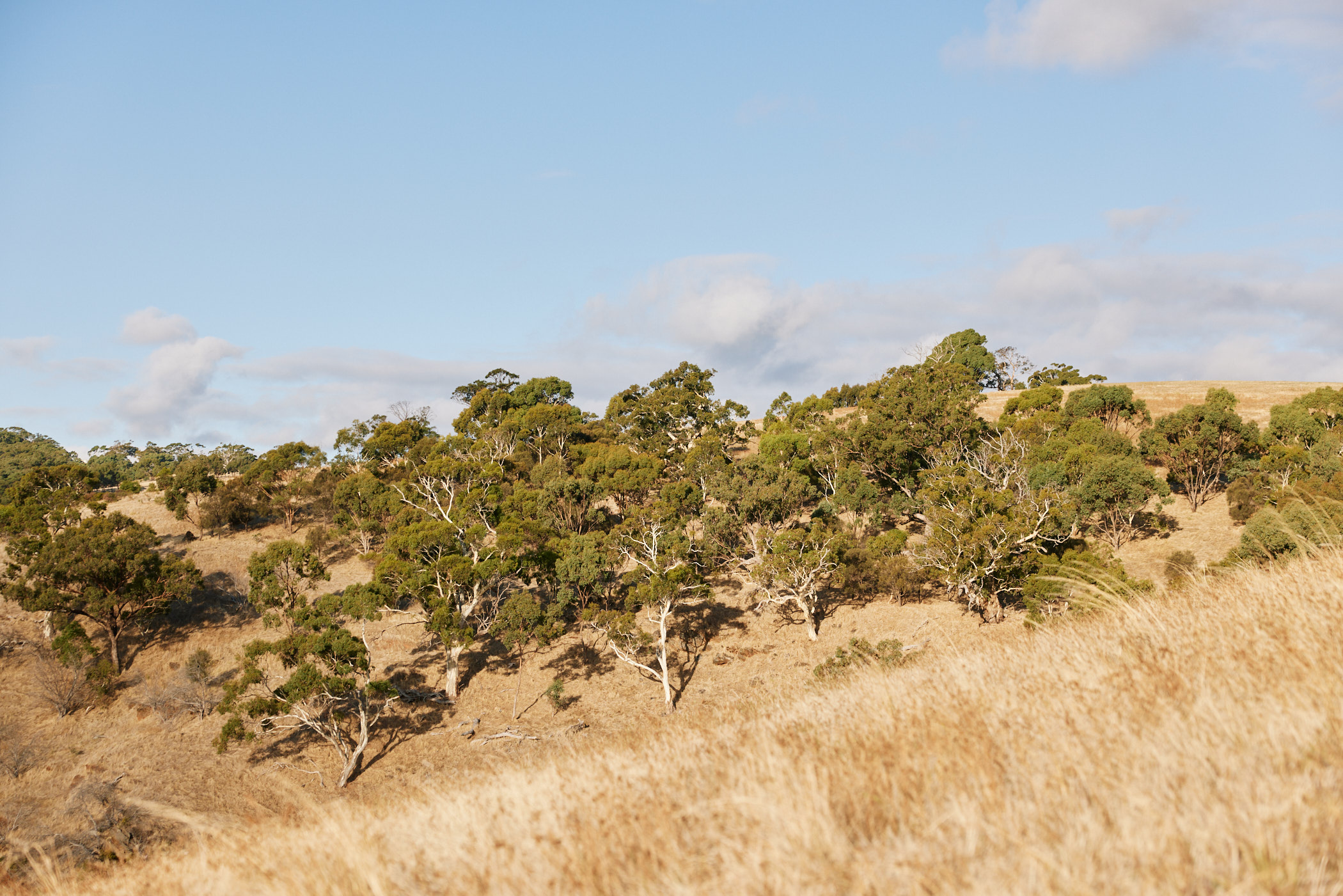
Samburu is defined by dry, rugged terrain, open plains, acacia trees, doum palms, rocky hills, and patches of riverine forest. The landscape may appear harsh, but the Ewaso Ng’iro River creates a green corridor that supports wildlife and vegetation throughout the reserve.
The river attracts elephants, buffaloes, crocodiles, hippos, and many other animals. Its banks also provide shade and feeding grounds, creating some of the reserve’s best locations for wildlife viewing.
The Samburu Special Five
Samburu National Reserve is famous for five rare northern species known collectively as the Samburu Special Five:
Grevy’s zebra – the largest and most endangered zebra species, recognized by its narrow stripes and large rounded ears.
Reticulated giraffe – known for its striking geometric coat pattern.
Somali ostrich – distinguished by its blue-grey neck and legs.
Gerenuk – sometimes called the “giraffe gazelle,” it stands on its hind legs to reach high branches.
Beisa oryx – a graceful desert-adapted antelope with long, straight horns.
These species are specially adapted to the dry northern landscape and are among Samburu’s greatest attractions. Their presence gives visitors the opportunity to see animals that are less commonly encountered in Kenya’s southern safari destinations.
Other Wildlife
Beyond the Special Five, Samburu supports an impressive variety of animals. Visitors may encounter elephants and buffaloes, lions, leopards, cheetahs, hippos and crocodiles along the river, as well as Grant’s gazelles, impalas, dik-diks, warthogs, waterbucks, olive baboons, and other smaller mammals.
The reserve is also known for good opportunities to observe big cats. Lions often patrol the open plains, while leopards may be seen in riverine woodland and rocky areas. Cheetahs use the open grasslands to pursue smaller antelope.
Birdwatching
Samburu is an excellent destination for bird lovers, with more than 350 bird species recorded in the reserve. The mix of riverine forest, dry bushland, open plains, and rocky terrain creates habitats for a wide variety of birds.
Possible sightings include vulturine guineafowl, grey-headed kingfishers, northern red-billed hornbills, lilac-breasted rollers, secretary birds, sunbirds, bee-eaters, tawny eagles, bateleurs, and other raptors.
The dry landscape also makes many birds easier to spot, particularly near the river and around open water sources.
Samburu Culture
The reserve is named after the Samburu people, a semi-nomadic pastoralist community whose culture is closely connected to cattle, land, and wildlife. The Samburu are known for their distinctive clothing, beadwork, songs, dances, and strong community traditions.
Cultural visits may allow travelers to learn about traditional pastoral life, Samburu homesteads and family organization, beadwork and ceremonial dress, cattle herding and the importance of livestock, and local relationships with the surrounding environment.
Responsible cultural tourism should be conducted respectfully, with local consent and direct benefits for the communities involved.
Conservation Efforts
Conservation is central to Samburu’s future. The reserve and surrounding conservancies support initiatives such as anti-poaching patrols, wildlife monitoring, habitat restoration, community-based conservation, and sustainable tourism and education programs.
Working with local communities is particularly important because people and wildlife share the same limited water and grazing resources. Conservation programs that provide employment, tourism income, education, and improved services can encourage stronger protection of the ecosystem.
Activities in Samburu
Samburu National Reserve offers several ways to experience its landscapes and wildlife. Game drives provide opportunities to search for the Special Five, elephants, and big cats. Birdwatching can be enjoyed along the Ewaso Ng’iro River and in the surrounding bushland, while nature walks with trained guides provide a closer connection to the landscape in appropriate areas.
Travelers can also enjoy photography of wildlife, landscapes, and Samburu cultural life, as well as cultural tours that provide insight into local traditions and pastoral livelihoods.
Game drives are the main activity, but combining wildlife viewing with cultural experiences gives travelers a deeper understanding of northern Kenya.
A Unique Northern Safari
Samburu National Reserve is a special destination because it combines rare wildlife, dramatic landscapes, and living cultural traditions. The Samburu Special Five alone makes the reserve worth visiting, while the river, birdlife, big cats, and community experiences add even greater variety.
For Lionking Safaris travelers, Samburu offers an authentic northern Kenya adventure — a place where desert-adapted wildlife thrives, the Ewaso Ng’iro River sustains life, and the culture of the Samburu people remains an important part of the landscape.
Book the Safari You'll Talk About for Years to come


Lionking Safaris LTD @2026