The Iteso and Karamojong Origins Story: Clans, Migrations, and Names
The Itesots and the Karamojong and Turkana: Shared Origins and Migrations
According to tradition, all people in the world — including the Iteso — trace their ancestry back to Noah, the righteous man whose family survived the biblical flood in Noah’s Ark. Noah’s three sons, Shem, Ham, and Japheth (Genesis 9:18–19), are seen as the forefathers of all nations. Within this framework, the Iteso are understood as descendants of Ham, linking their story to a wider Afro-Asiatic and Nilotic heritage.
The Iteso and their origins
The Iteso (people of Teso) speak Ateso, their own language. In the traditional narrative, Ham’s sons included Cush (often associated with Ethiopia), Mizraim (Egypt), Put (Libya), and Canaan (Genesis 10:6). Cush and his descendants later settled in the land known as Ethiopia or Abyssinia, where they lived as crop farmers and pastoralists.
Around 1300 AD, some of Cush’s descendants, later called Itunga, left Ethiopia due to various push and pull factors such as conflict, the search for water, fertile land, and pasture. They moved southwards and began a long migratory journey through East Africa.
From Ethiopia to Turkana and Karamoja
The Itunga first entered and settled in Turkana, north of present-day Kenya. As they continued searching for better grazing and water, part of the group moved on and settled in Moroto, in the northeastern part of Uganda — a region now known as Karamoja.
Over time, these groups took on different identities:
Those who remained in Ethiopia became known as Nyangatom.
Those who settled in Turkana became the Turkana of Kenya.
Those who settled in Moroto became the Karamojong of northeastern Uganda.
Another split occurred in Karamoja. One group moved northward into what is now South Sudan and became the Toposa. A second group left Karamoja around 1700 AD, travelled southwards, and entered Angisa in Magoro, part of the region that would later be called Teso. This group became known as the Iteso.
The spread of the Iteso
From Magoro, the Iteso spread in several directions:
North: settled in areas now identified as Usuk (Katakwi District).
West: settled in Soroti, Serere, Kalaki, and Kaberamaido.
South: crossed Lake Bisina and settled in Ngora, Kumi, Bukedea, and Pallisa, with some moving further southeast to Tororo, Busia, and western parts of Kenya.
Because Cush’s descendants settled along the Nile basin, they came to be referred to as Nilo-Hamites. The Iteso are therefore often described as part of this Nilo-Hamites ethnic grouping, reflecting both Nile-related and Hamitic ancestry in traditional classification.
Clans and social structure
When the Iteso settled in present-day Teso land, they were grouped into six main clans:
Ikaribwok
Irarak
Ikatekok
Ikomolo
Igoria
Inomu
A clan is a group of families that trace their origin to a common ancestor or place. Clans are governed by cultural norms and taboos, mark kinship ties, and serve as the basic cultural administrative units.
Each clan has a respected leader who acts as the administrative head. These clan structures form the foundation and building blocks of institutions like the Teso Education Fund, which is officially recognized by the Uganda government as culturally binding the Iteso under their paramount leader, the Emorimor.
How “Iteso” and “Karamojong” got their names
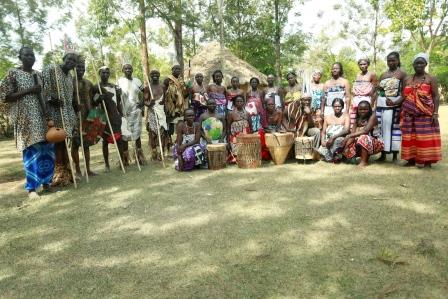
Legend explains the names of the Karamojong and Iteso through the migration story. Historically, the Iteso and Karamojong moved together as one wider group or family sometimes referred to as Jie. During migration and settlement:
One branch moved into Kenya and gave rise to peoples such as the Kalenjin and Maasai.
Another branch moved westwards and became groups such as the Iteso, Dodoth, Jie, and Kumam in Uganda; Turkana in Kenya; and Toposa and Jiye in South Sudan.
Those who lagged behind and settled earlier were called “Ikar imojong”, meaning “the elders can move no further,” which evolved into Karamojong; they speak Karamojong. Those who continued moving to more southern and western areas were called “Atesina”, meaning “graves” — a name linked to concerns that if they moved on they might die, leaving graves behind. From atesia came the tribal name Iteso, who speak Ateso/Teso.
Relationship between the Itesots, K’jong, and Turkana
Historically, the Iteso, K’jong (Karamojong), and Turkana share a common migratory and ethnic origin through the wider Itunga/Jie family. Their languages and pastoral traditions reflect this shared heritage:
Common roots in Nilotic migrations from the Nile basin and Ethiopia.
Pastoral and agro-pastoral lifestyles shaped by semi-arid environments.
Clans and age-set structures that organize social and cultural life.
Understanding these links helps explain why these communities, though now separated by modern borders and distinct identities, share many cultural similarities.


Lionking Safaris LTD @2026