Usambara Mountains: Tanzania’s Serene Highlands of Ecological and Cultural Splendor
Usambara Mountains: Tanzania’s Serene Highlands of Ecological and Cultural Splendor
Tucked away in the northeastern corner of Tanzania, the Usambara Mountains stand as a pristine sanctuary of natural beauty, cultural heritage, and ecological diversity. Known for their dramatic landscapes, rolling hills, and misty rainforests, these mountains offer a haven for travelers seeking serenity and adventure.
Often referred to as “The Galápagos of Africa” due to their extraordinary biodiversity, the Usambara Mountains present a unique blend of scenic beauty and conservation, making them one of Tanzania's most captivating destinations.
A Majestic Landscape Shaped by Time
The Usambara Mountains, part of the ancient Eastern Arc Range, are more than 100 million years old, with deep valleys, ridges, and peaks formed through millennia of tectonic activity.
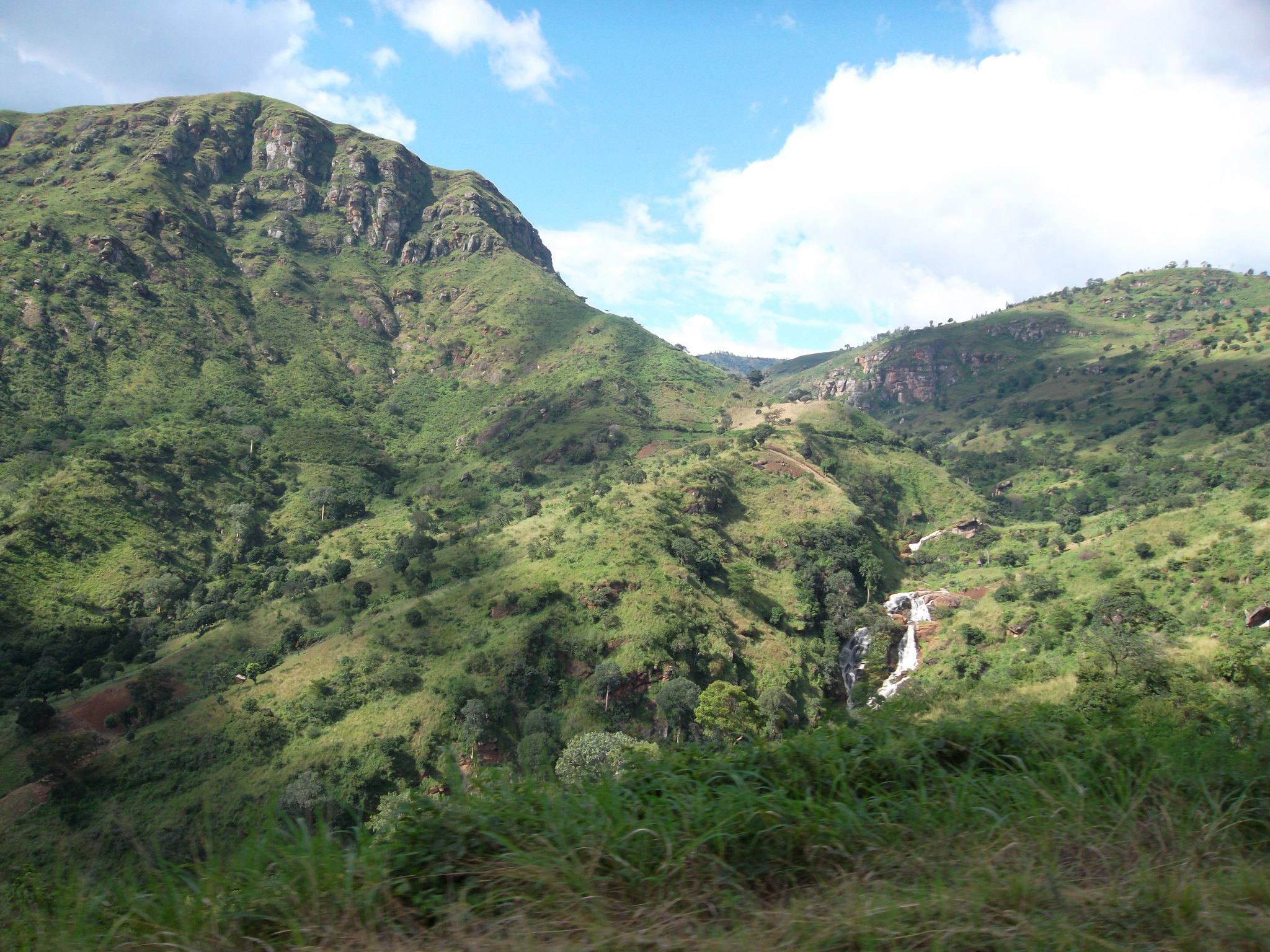
Stretching over 4,000 square kilometers, these highlands are divided into two main regions: the East Usambaras and the West Usambaras. While both offer breathtaking landscapes, the West Usambaras are renowned for their panoramic viewpoints and extensive trekking trails, while the East Usambaras are famous for their dense, untouched forests and unparalleled biodiversity.
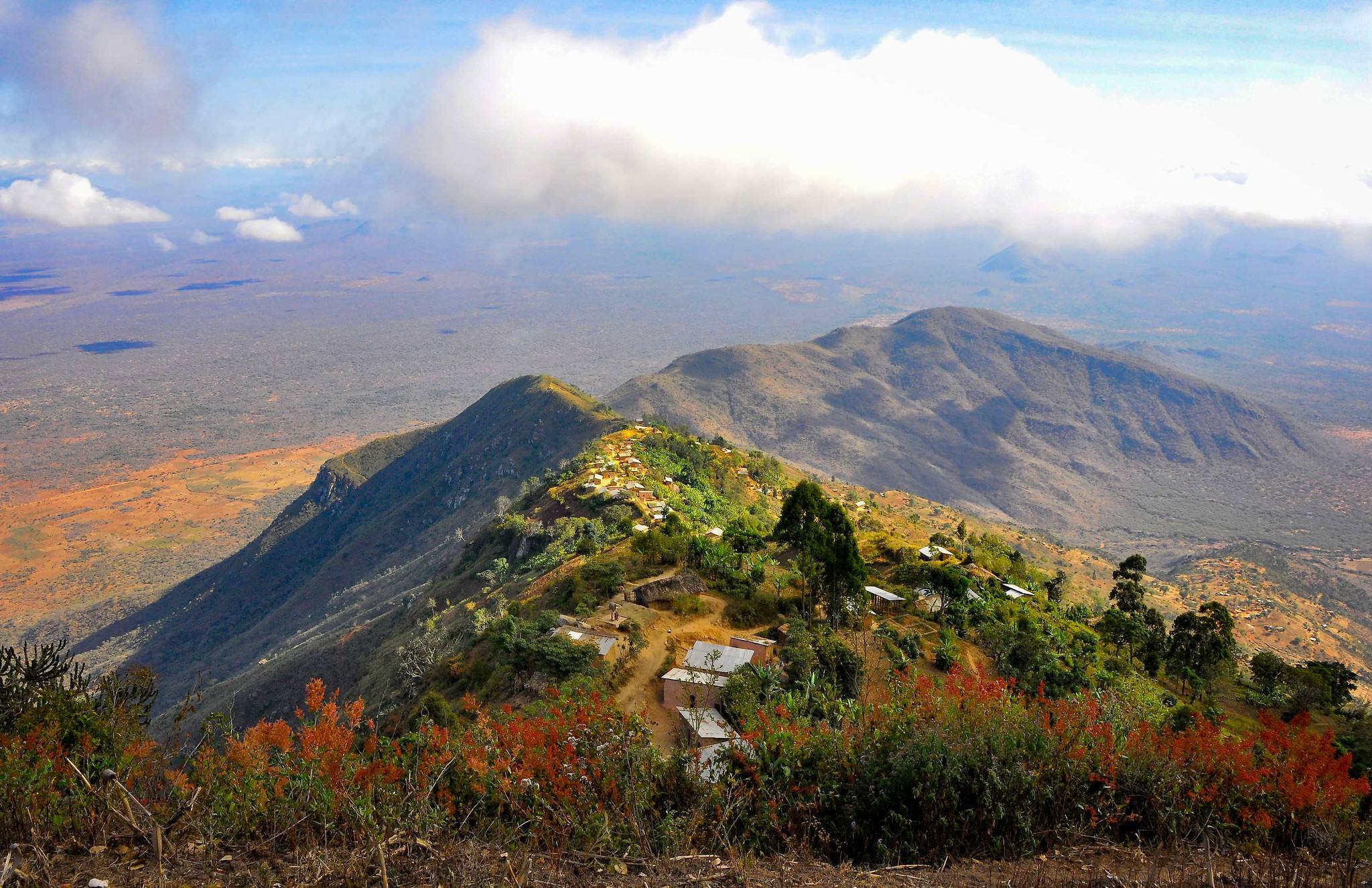
One of the most iconic viewpoints in the region is Irente Viewpoint, where the expansive Maasai Steppe stretches out below like a vast ocean of green. Standing on the cliff’s edge, visitors are treated to sweeping views of the surrounding plains, with distant peaks breaking through the horizon in an awe-inspiring display of natural grandeur.
The Eastern Arc Rainforest
For nature enthusiasts, the Usambara Mountains represent a rare opportunity to explore one of the world’s most significant biodiversity hotspots.
The mountains' ancient rainforests are home to a rich variety of flora and fauna, much of which is endemic to the region. The forests are particularly famous for their incredible array of plant species, including medicinal plants and rare orchids.
The forests are also a birdwatcher’s paradise. With more than 500 bird species, the Usambara Mountains attract ornithologists from around the world.
The endemic Usambara eagle-owl and the striking Amani sunbird are among the rare species found in these forests. The region is also home to amphibians, reptiles, and primates, including the elusive Usambara three-horned chameleon and various forest-dwelling monkeys.
The Amani Nature Reserve in the East Usambaras is a jewel in the region’s conservation efforts, protecting thousands of hectares of biodiversity-rich rainforest. Walking through its lush trails feels like stepping back in time, surrounded by towering trees and untouched wilderness.
A Trekker’s Dream: Hiking in the Usambaras
For travelers who love hiking, the Usambara Mountains offer some of Tanzania’s most scenic and rewarding trails. The region’s mild climate and diverse landscapes make it ideal for both experienced trekkers and casual hikers. Trails wind through thick forests, across open ridges, past waterfalls, and through remote villages.
The Magamba Forest Reserve in the West Usambaras is a popular hiking destination, offering trails through dense montane forests, hidden caves, and beautiful viewpoints. The Lushoto-Magamba hike is especially popular, offering a combination of forest scenery, farmland, and incredible mountain views.
The village of Mtae provides travelers with an opportunity to interact with local communities and learn about traditional farming practices passed down through generations.
The terraced hillsides cultivated by the Shambaa people reflect the strong relationship between local communities and the natural environment.
Cultural Encounters and History
The Usambara Mountains are not only rich in natural beauty but also deeply connected to culture and history. The Shambaa and Zigua people have inhabited these mountains for centuries, shaping the landscape through farming traditions and maintaining a strong spiritual connection with the land.

Visitors can explore local villages, discover traditional farming methods, learn about medicinal plants, and experience the warm hospitality of the communities living in the highlands. The town of Lushoto, once a colonial-era hill station, also carries traces of the region’s past through its historical buildings and cultural landmarks.
A Commitment to Conservation
The Usambara Mountains are an ecological treasure, but they face challenges such as deforestation and habitat loss. Conservation programs focused on reforestation, sustainable farming, and responsible tourism are helping protect this unique environment.
The Usambara Mountains Environmental Conservation Program (UMEP) works with local communities to promote sustainable land management and preserve the forests for future generations.
Usambara’s Timeless Allure
The Usambara Mountains offer an experience beyond the ordinary tourist trail.
With breathtaking views, rare wildlife, rich biodiversity, and deep cultural traditions, these highlands provide a peaceful escape for travelers seeking a closer connection with nature.
A journey through the Usambara Mountains with Lionking Safaris is more than just a visit. It is an opportunity to discover a place where nature, wildlife, and communities exist together in harmony.
Book the Safari You'll Talk About for Years to come


Lionking Safaris LTD @2026